No Cat Food? Safe Emergency Foods for Kittens

What do I feed a kitten if I don’t have cat food?
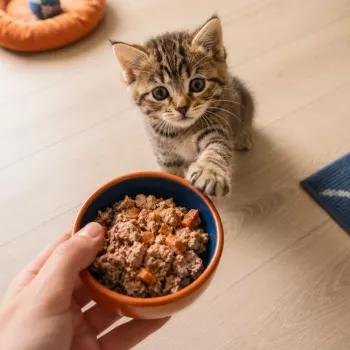
If you’re out of kitten food, the safest short-term goal is to keep the kitten hydrated and fed with something gentle until you can get proper kitten food or veterinary guidance. Kittens have small stomachs and high calorie needs, so offer small portions more often rather than one big meal.
Best short-term options (if the kitten is already weaned)
If the kitten is eating solids, offer bland, high-protein foods that are plain and fully cooked. Good temporary choices include:
- Cooked, unseasoned chicken or turkey (no skin, bones, garlic, onion, butter, or sauces)
- Cooked eggs (scrambled or hard-boiled, plain)
- Plain cooked fish (no bones; avoid smoked/seasoned fish)
Add a spoonful of warm water to make food softer and easier to lap up, especially for young kittens.
If the kitten is very young (not fully weaned)
If the kitten is under about 4 weeks old or can’t chew well, solid food may not be safe. The correct emergency option is kitten milk replacer (KMR). If you don’t have KMR, contact a local vet clinic, rescue, or pet store as soon as possible—young kittens can decline quickly without the right nutrition.
Foods to avoid
Some “common” human foods can cause stomach upset or worse. Avoid:
- Cow’s milk (often causes diarrhea and dehydration)
- Onion, garlic, chives (toxic)
- Chocolate, grapes/raisins, alcohol, caffeine (toxic)
- Bones (splintering/choking hazard)
- Highly processed, salty, or seasoned foods
When to get help fast
If the kitten is weak, crying constantly, has diarrhea, vomiting, a swollen belly, or won’t eat, seek veterinary help urgently. Even a day of poor intake can be serious for small kittens.
For more detailed guidance and next-step options, visit: https://coolproductshaven.shop/what-do-i-feed-a-kitten-if-i-don-t-have-cat-food/
FAQ
How often should a kitten eat in a day?
Young kittens typically need multiple small meals per day; very young ones may need feeding every few hours, while weaned kittens often do well with several meals spaced throughout the day. If you’re unsure of age, a vet or rescue can help you estimate a safe schedule.











Leave a comment