Cat Enrichment Ideas: Play, Puzzles & Vertical Space
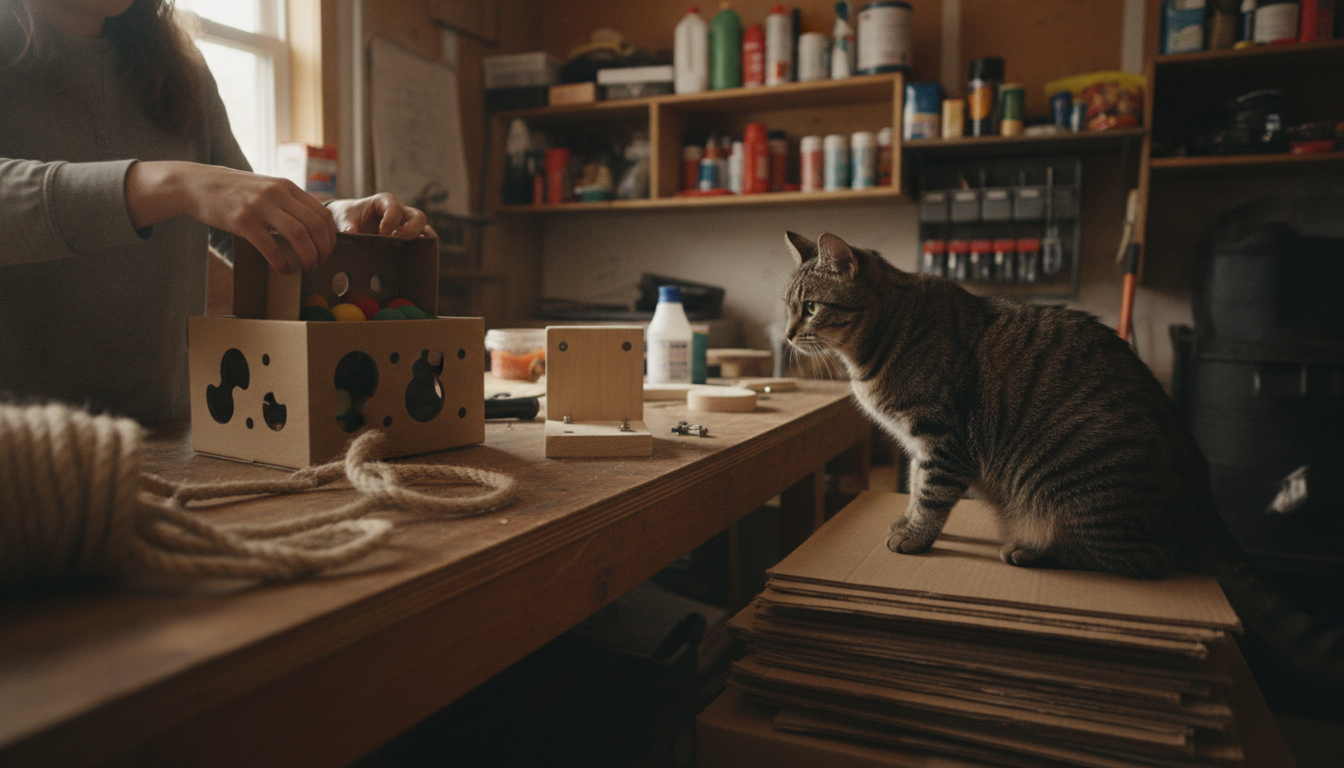
How do I create enrichment for my cat?
Cat enrichment is about meeting natural instincts—hunt, climb, scratch, explore, and rest—using safe activities that fit your home and your cat’s personality. The best setups mix physical exercise, mental puzzles, and small “novelty” changes throughout the week.
Build a daily “hunt” routine
Use wand toys, tossed soft toys, or rolling balls to mimic prey. Keep sessions short (5–10 minutes) and end with a “catch,” then offer a small meal or treat to complete the hunt-eat-groom-sleep cycle. Rotate toys every few days so old favorites feel new again.
Add vertical territory and cozy observation spots
Cats feel secure when they can get up high. A sturdy cat tree, wall shelves, or even cleared bookcase levels create climbing routes. Pair height with a window perch so your cat can watch birds, people, and weather—built-in entertainment that doesn’t require constant effort from you.
Offer puzzles and foraging challenges
Food puzzles slow eating and keep the brain busy. Try puzzle feeders, treat balls, or a DIY “snuffle” option like hiding kibble in a cardboard egg carton. Start easy, then increase difficulty once your cat understands the game.
Support scratching, chewing, and safe sensory play
Provide multiple scratching surfaces (vertical and horizontal) placed near sleeping areas and common pathways. Add sensory variety with paper bags (handles removed), cardboard boxes, cat-safe grass, or a pinch of catnip/silvervine—always supervised the first time to see how your cat responds.
Include social and training enrichment
Some cats thrive on interaction: clicker training, simple cues (sit, touch), or gentle grooming sessions can be rewarding and calming. For curious cats, a secure catio or harness training adds outdoor stimulation while keeping safety first.
For more hands-on ideas and product-friendly options, visit the full guide here: How do I create enrichment for my cat?
FAQ
What are signs my cat is bored?
Common signs include overeating, excessive sleeping, attention-seeking at odd times, destructive scratching, or sudden “zoomies” paired with little structured play. Increasing daily interactive play and adding puzzle feeding often helps within a week or two.












Leave a comment